

What Is IPL? Fort Worth Photofacial Basics Explained
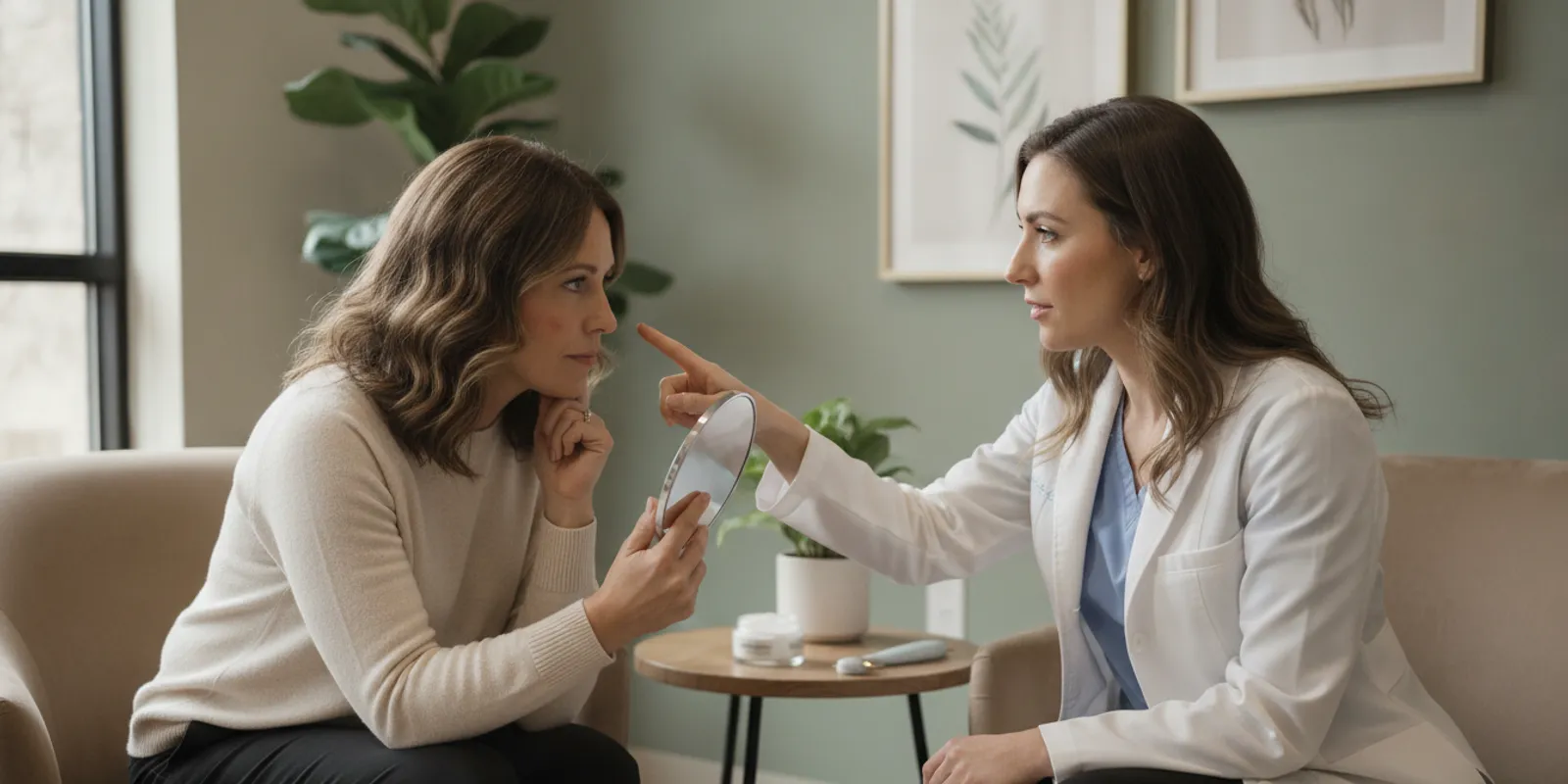
If you are asking what is IPL, the simple answer is that intense pulsed light is a light-based treatment approach that uses brief pulses across a range of wavelengths. It is often discussed as a photofacial when the face is the treatment area. That basic definition does not determine whether IPL is appropriate for a particular concern or person. A consultation should clarify what the concern may be, what a proposed treatment is intended to address, and what other choices are available.
Let's begin with a conversation
What does IPL mean?
IPL stands for intense pulsed light. An IPL device sends pulses of light that include a range of wavelengths. A laser typically uses a narrower band of light. The terms describe different technologies, but neither label tells you by itself how a device will be used, what settings are appropriate, or whether a particular treatment plan is a good fit.
People may also hear the term photofacial. It is a common consumer phrase for some facial treatments that use IPL, rather than one universally standardized procedure. Providers may use different devices and protocols, and a session may be proposed for different visible concerns. Ask what the practice means by photofacial in your case, which area is being considered, and what the treatment is supposed to do.
Artisan MedSpa, Laser & Wellness publicly lists IPL among its offerings. You can review its aesthetic services information and skin texture information as background. Those pages do not establish that a treatment is right for you; the details need to be discussed with a clinician who can assess your concern and relevant history.
What concerns might lead someone to ask about IPL?
People often ask about IPL when they want to discuss visible changes in skin color or tone, including some concerns associated with sun exposure or redness. The appearance of a spot or patch alone does not identify its cause. Different conditions can look similar, and a cosmetic treatment should not be used as a substitute for medical assessment of a new, changing, symptomatic, or otherwise concerning skin change.
Start by describing the particular change that bothers you rather than assuming the name of a treatment is the solution. When did you first notice it? Has it changed in size, color, shape, or sensation? Is it limited to one area or part of a broader pattern? Have you had it assessed before, or tried a treatment? Clear answers help the consultation focus on your concern rather than on a generic description of IPL.
It also helps to separate the feature you see from the outcome you want. For example, one person may be concerned about an isolated area of uneven tone, while another may want an overall refreshed appearance. Those are different goals, and a treatment proposed for one concern may not address another. Be specific about what you hope will look different and what would still be acceptable if some variation remains.
If the area is changing quickly, painful, bleeding, crusted, or otherwise worrying to you, raise that first and ask whether a medical evaluation should come before any cosmetic discussion. Do not assume that a light-based cosmetic treatment is suitable simply because an online description seems to match what you see.
How does IPL differ from a laser treatment?
IPL and laser procedures both involve light, but the technology is not interchangeable. IPL delivers pulses that cover a broader range of wavelengths; a laser generally concentrates light within a narrower band. Devices can also differ in how they deliver energy and which treatment protocols are used. These distinctions matter because the treatment plan should be selected for the concern and the person, not because two services share a broad “light treatment” label.
A useful consultation explains the specific approach being proposed and why it was selected. Ask what device or category of device is intended, what feature it is meant to address, and what limitations apply. If the answer stays at the level of “it is a photofacial,” ask for a more concrete explanation of the proposed plan and what an assessment can or cannot establish.
Do not treat a comparison of technologies as a ranking. A laser is not automatically more effective or more appropriate than IPL, and IPL is not a universal alternative to every laser, peel, or skin-care approach. The treatment goal, condition, skin characteristics, medical history, device, provider assessment, and practical preferences all influence which choices are reasonable. The practice's IPL-versus-chemical-peel discussion can help you identify questions about different approaches, but it cannot replace individualized advice.
| Topic | IPL | Laser or another approach | Question to ask |
|---|---|---|---|
| Light delivery | Uses pulses across a range of wavelengths, with details depending on the device. | A laser generally uses a narrower band; peels and topical approaches work differently. | Which technology or treatment is actually proposed? |
| Reason for considering it | May be discussed for selected visible skin concerns after assessment. | May be considered for different or overlapping goals, depending on the option. | What feature is the plan intended to address? |
| Individual fit | Depends on the concern, skin and health history, device, and protocol. | Also depends on the specific option and individual assessment. | What factors could make this option unsuitable? |
| Visits and recovery | Cannot be predicted from the word photofacial alone. | Varies by procedure, treatment area, and person. | What preparation, follow-up, and recovery should I plan for? |
| Alternatives | May be one option among treatment, further evaluation, or waiting. | Could include a different treatment, medical evaluation, or no procedure. | What are the trade-offs of each choice for my goal? |
Why should an assessment come before a decision?
An assessment helps define the concern before anyone recommends a treatment. It should give you a chance to describe your goals and relevant history, and to ask whether the feature needs further evaluation. The clinician can consider the treatment area, prior procedures, health circumstances, skin characteristics, and other details that may affect the options under discussion.
Share accurate information even if a detail seems unrelated. For example, recent tanning, a past reaction to a light-based procedure, or a medication may matter to the discussion. The clinician can decide which information is relevant. A general article or checklist cannot determine candidacy because it cannot examine the area, identify the device plan, or account for your full clinical context.
Consider bringing a simple list with the following information:
- Your main concern, where it appears, and when you first noticed it.
- Any changes over time, symptoms, or previous medical evaluation.
- Current medicines, supplements, allergies, and health conditions.
- Recent sun exposure or tanning, if applicable, and any relevant skin-care products.
- Prior procedures on the area, including the approximate timing and any reaction.
- Your schedule, upcoming events, and how much visible recovery you can accommodate.
This is a preparation aid, not a self-screening checklist. Do not stop a prescribed medicine or change your routine because a general web page suggests it might matter. Ask the treating clinician for instructions tailored to you. If the answer requires coordination with another clinician, allow time for that discussion before scheduling.
What questions can clarify whether IPL fits your goal?
Good questions make the consultation more useful and help you understand the recommendation rather than simply accepting a treatment name. You do not need to ask every question at once. Focus on what you need to know to make a voluntary, informed decision.
- What exactly are we treating? Ask the clinician to identify the feature or concern, and whether the cause is clear enough to discuss a cosmetic option.
- What is the goal of IPL in this case? Ask what change is being considered and what the approach is not expected to change.
- Why this approach? Ask why IPL is being discussed instead of another option, further medical evaluation, or observation.
- What is known about my suitability? Ask which aspects of your skin, health, medications, or history influence the recommendation and whether anything still needs clarification.
- What does the proposed session involve? Ask which area is included, what device or protocol is planned, and how the session is expected to be conducted.
- What are the risks and limitations? Ask about material risks for the proposed treatment, how they may relate to you, and what steps are used to manage them.
- What should I expect afterward? Ask about possible short-term effects, care instructions, follow-up, and whom to contact if you are concerned.
- What if I wait? Ask whether there is a reason to act now or whether it is reasonable to consider the information and decide later.
It is reasonable to take notes or ask for the recommendation and instructions in writing. If the explanation is unclear, request a simpler description. You should understand the uncertainty as well as the intended benefit. A thoughtful plan leaves room for a patient to pause, ask more questions, or choose not to proceed.
What risks and limits should you discuss?
Light-based procedures can cause unwanted effects. Possible effects may include temporary redness or discomfort, changes in pigmentation, blistering, burns, or scarring. This is not a complete list, and the likelihood and significance of an effect depend on the specific device, settings, treatment area, and individual factors. Ask the clinician to describe the important risks for the plan being proposed, including which concerns warrant follow-up.
Do not assume that a treatment is risk-free because it is non-surgical or because a friend had an uncomplicated experience. A prior uneventful session also cannot guarantee the response to a later session. Before making a decision, ask how the clinician weighs your history, what alternatives have different trade-offs, and what would happen if the response is not as expected.
Expected results vary, too. A clinician should explain what improvement may be realistic for your specific goal, what may remain, and how progress would be assessed. There is no universal promise about the number of visits or the degree of change. Ask whether follow-up or additional sessions might be considered, and what the decision would depend on. Be wary of treating a general example or another person's result as a forecast for you.
For broad background about medical devices and patient information, the U.S. Food and Drug Administration provides information through its official website. A general government resource does not evaluate a specific clinic, device, protocol, or individual's candidacy. Use it as background only, alongside a direct discussion with a qualified clinician.
What preparation and recovery questions matter?
Preparation instructions should come from the clinician for the proposed treatment and your circumstances. Before you agree to a date, ask what to avoid, when to begin any instructions, and whether recent sun exposure or tanning affects timing. Ask how to care for the treatment area before and after the appointment, and whether you should continue your usual products or pause anything. Do not guess: general instructions for one device or patient may not apply to another.
Ask what you might notice immediately afterward and over the next few days, while recognizing that the provider should give expectations specific to the plan. Find out who to contact if an effect worries you, how quickly to get in touch, and what information the practice would need. It is helpful to understand the follow-up route before treatment rather than trying to locate it later.
Think through your calendar. If you have work, caregiving duties, outdoor activities, travel, or an important event, explain that when discussing timing. Ask whether temporary visible changes or aftercare could affect those plans. Do not assume that every photofacial has no recovery time, or that a particular person will have the same experience as someone else.
To make the plan practical, you can map it out in a few steps:
- Before booking: Confirm the concern and treatment area, clarify whether more evaluation is needed, and review the proposed option and its limits.
- Before the appointment: Follow only the personalized preparation instructions you receive, and contact the practice if your circumstances change.
- At the visit: Reconfirm the area and plan, raise any new health or skin changes, and ask remaining questions before proceeding.
- Afterward: Use the instructions provided, note any effects that concern you, and follow the agreed route for questions or follow-up.
How can you compare a recommendation with your priorities?
A technically plausible option is not automatically the best choice for every person's priorities. Someone may value a conservative approach and prefer to wait for more information. Another person may be willing to consider a procedure if the clinician can explain why it fits the concern and what uncertainty remains. The consultation should connect the recommendation to your goals and your willingness to accept the practical details.
For a concrete example, imagine that you are concerned about a visible area of uneven tone before an upcoming event. The useful next question is not simply “Can IPL treat spots?” First ask whether the area has been assessed and whether a cosmetic discussion is appropriate. Then clarify what response could reasonably be expected, whether timing makes sense, and what temporary effects or follow-up might interfere with your plans. If those details are uncertain, waiting or seeking further evaluation may be the more appropriate next step.
In another situation, you may be exploring a broad skin refresh without one clearly defined concern. Ask which specific features a proposed plan targets and which it does not. If the treatment goal remains vague, it is difficult to compare IPL with a peel, another skin-care approach, or no treatment. A more focused goal can help the clinician discuss options without implying that one procedure addresses every visible skin change.
You can use this short comparison after a consultation:
- Goal: Can I state in plain language what I hope will change?
- Rationale: Do I understand why this option was proposed for that goal?
- Limits: Do I know what may not change and how variable the result may be?
- Practical fit: Can I follow the preparation and aftercare instructions and accommodate the timing?
- Choice: Do I understand the alternatives, including waiting or declining?
If any answer is no, you can request clarification before deciding. There is no need to turn an initial conversation into a commitment to treatment. The value of an assessment is partly in identifying when an option does not fit, or when more information is needed.
What details can change the consultation?
Two people can use the same word for a skin concern and still need different conversations. The area involved, how long it has been present, whether it is changing, and what else is happening with the skin all matter. A person asking about a small area on the face may have a different goal and set of questions from someone concerned about a larger area elsewhere. The label IPL does not supply those details; describe the concern in your own words and let the clinician ask follow-up questions.
Your treatment history can also shape what needs to be discussed. Tell the clinician about previous light-based procedures, peels, or other treatments to the area, including what you remember about timing and response. If you had irritation, a change in pigment, an unexpected reaction, or no noticeable change, mention that without assuming what caused it. The purpose is not to determine the next treatment yourself, but to provide information that helps the clinician decide whether to proceed, modify the discussion, or recommend a different next step.
Timing and day-to-day circumstances are practical details, not minor afterthoughts. Recent sun exposure, an upcoming trip, regular outdoor activity, work obligations, or a special event may affect whether the proposed timing makes sense. Ask which factors the clinician wants you to consider and whether postponing would be sensible. If the practice gives preparation instructions, confirm when each instruction starts and whom to contact if you are unsure how it applies to your routine.
It is also useful to discuss the level of uncertainty you are comfortable with. You may want a specific area addressed and be comfortable with a modest or variable outcome. Or you may be looking for a broad change and find the limitations of the proposed approach unacceptable. Say what matters most to you, including your tolerance for possible temporary effects and your preference about follow-up. This makes the conversation more useful than simply asking whether IPL works in general.
For example, imagine that a person has a visible area they associate with past sun exposure and has an outdoor vacation planned soon. The consultation should not skip over whether the concern has been adequately assessed, what the proposed treatment might realistically change, and whether the timing conflicts with preparation or aftercare. A person with no upcoming travel may have different scheduling priorities, but still needs to understand the same individualized risks, limits, and follow-up plan. The example illustrates the questions to raise, not a prediction about who will be suitable.
How can Fort Worth patients prepare for a consultation?
Bring your questions and a concise history rather than trying to memorize an online checklist. If you have photographs that show how an area has changed, ask whether they would help the discussion. Avoid relying on edited images or comparing yourself with another patient's outcome. Lighting, camera settings, skin, and treatment history differ, so an image comparison cannot establish what a treatment will do for you.
Artisan MedSpa, Laser & Wellness is a Fort Worth practice. You can review team information and IPL treatment details as part of preparing questions, then contact the practice about arranging a conversation. The phrase IPL treatment details links to practice information; it is not a promise that every reader is a candidate or that every concern can be treated with IPL.
If your main concern is a medical change in the skin rather than a cosmetic goal, say so when you contact the practice and ask whether an appropriate medical evaluation should come first. The right next step may be an assessment outside a cosmetic treatment conversation. If you already have a clinician who evaluates your skin, you may also ask whether their input is relevant before making a cosmetic decision.
How can you decide what to do after the visit?
After the consultation, take a moment to restate the recommendation in your own words. What is the concern? What is being proposed? What would count as a useful result? Which risks, limits, or unknowns matter to you? What preparation and follow-up are expected? If you cannot answer those questions, follow up for clarification before scheduling.
You can also compare the plan with your priorities on a practical level. Consider whether the proposed timing fits your calendar, whether you are comfortable with the possible recovery, and whether the expected range of change is worth the uncertainties to you. The number of possible sessions, if any, should be discussed as part of an individualized plan rather than assumed from a general description of IPL.
Keep the written instructions and the contact route for follow-up. If your skin or health circumstances change before a planned appointment, tell the practice rather than assuming the previous recommendation still applies. A fresh discussion may be needed. Decisions about cosmetic treatment are not one-time tests of commitment; it is acceptable to reconsider when new information comes up.
Let's begin with a conversation
Frequently asked questions
Is IPL the same as a photofacial?
Photofacial is a consumer term often used for facial treatments that use IPL. The exact device, protocol, and treatment goal can vary, so ask what the term means for the plan being discussed.
Is IPL the same as a laser?
No. IPL uses pulses across a range of wavelengths, while a laser generally uses a narrower band. The technologies are different, and neither name alone establishes which option suits a particular concern.
Can IPL treat every dark spot or red area?
No. A visible spot or area of redness does not identify its cause, and not every concern is appropriate for a cosmetic light-based treatment. Ask for an assessment, especially if an area is new, changing, symptomatic, or worrying to you.
How many IPL sessions will I need?
There is no universal session count. Whether more than one visit or follow-up is considered depends on the concern, the response, and the clinician's individualized plan.
Does an IPL photofacial have no recovery time?
That cannot be assumed. Effects and recovery vary with the treatment and the person. Ask what temporary changes and aftercare are relevant to the specific plan and when to contact the practice.
Use general IPL information to prepare for a thoughtful discussion, not to diagnose a skin concern or decide candidacy on your own. A clear, individualized consultation can help you understand the options, limitations, risks, preparation, and follow-up before choosing whether to proceed.