

Foto Facial: What Fort Worth Patients Should Know
lsmat9Oct 2116 min read
Updated: Oct 23
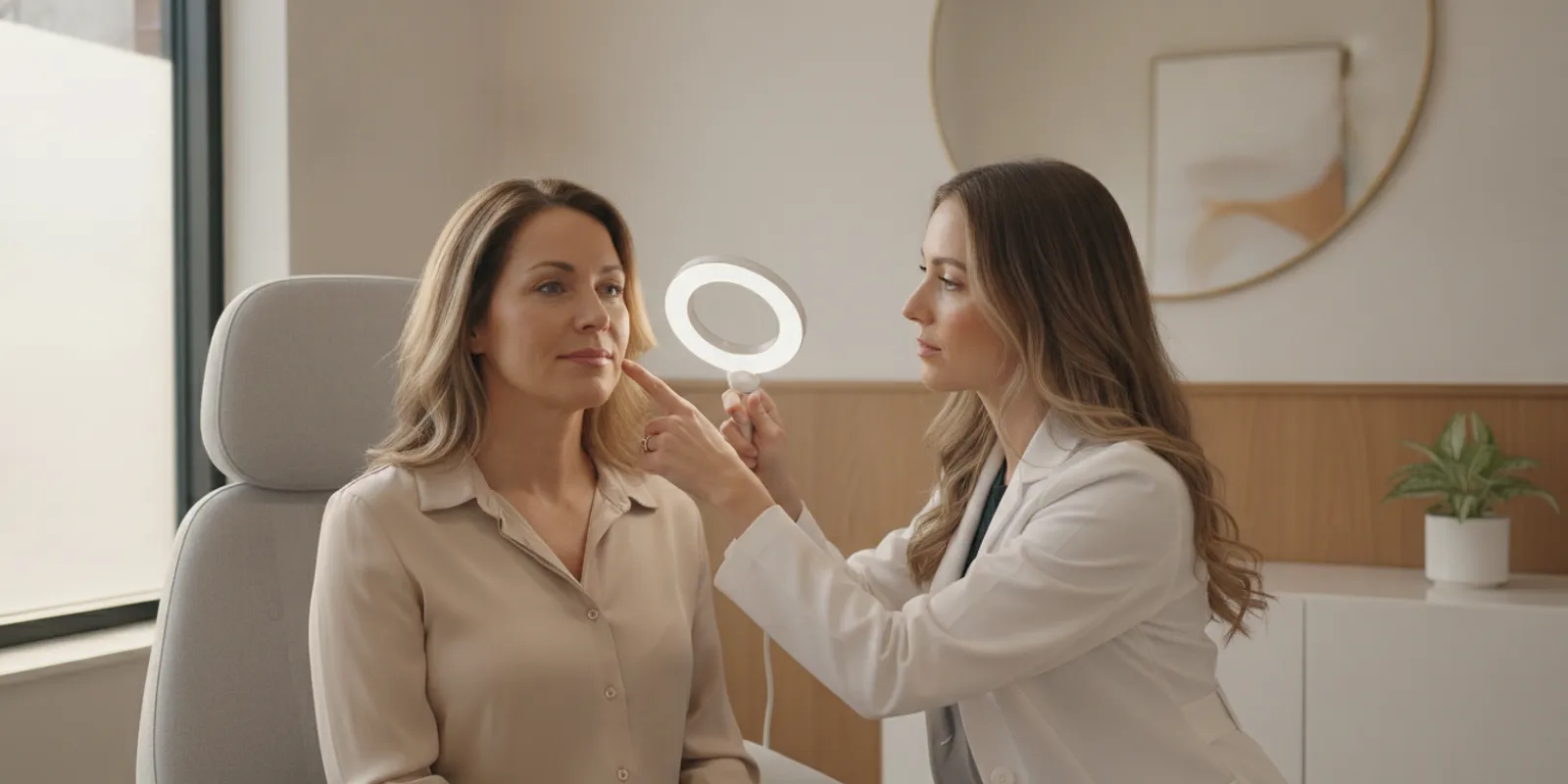
Foto Facial is a name people often use when searching for a light-based facial treatment for visible redness, uneven tone, or sun-related spots. The name alone does not identify a specific device or tell you whether a treatment is right for your skin. If you are considering one in Fort Worth, the useful first step is to learn what a provider means by “Foto Facial,” what concern you want assessed, and whether the practice actually offers a suitable treatment.
What does “Foto Facial” mean?
“Foto Facial” is commonly used as a general name for facial treatments that use light energy. Some providers use it when describing intense pulsed light, often shortened to IPL. Others may use similar wording for a particular device or a different light-based service. The label is not enough to establish the technology, settings, treatment area, or expected result.
That distinction matters. IPL uses pulses of broad-spectrum light, while a laser treatment uses a more narrowly defined wavelength. Both involve light, but they are not interchangeable names for one procedure. Devices, indications, practitioner training, and treatment plans vary. A marketing label does not tell you which device is used or whether it is appropriate for a particular skin concern.
Artisan MedSpa, Laser & Wellness describes aesthetic services on its website, but the available business information does not confirm a specific Foto Facial service, IPL device, or protocol. Do not assume the practice offers a treatment just because the term appears in a search. Ask the team what services are currently available and whether the name refers to IPL, another light treatment, or something else. You can also review the practice’s aesthetic services information as one starting point, then confirm current details directly.
What skin concerns might lead someone to ask about it?
People usually ask about light-based facial treatments because they notice a change in skin tone or visible vessels. Depending on the device and the individual, a qualified provider may discuss whether a light-based approach could be considered for concerns such as:
Some forms of visible sun-related discoloration or uneven tone.
Selected superficial brown spots, after a clinician has assessed what they are.
Diffuse facial redness or visible small vessels, when the cause and skin characteristics make treatment appropriate.
A general goal of improving the appearance of uneven tone or redness.
This list is not a promise that one treatment treats every item, nor does it establish that any listed concern is suitable for light treatment. A brown spot, red area, or change in skin texture can have different causes. A clinician should assess the concern before recommending a cosmetic procedure. A spot that is new, changing, irregular, bleeding, painful, or otherwise concerning should be medically evaluated rather than treated as a cosmetic blemish.
Light treatments also do not address every reason someone may be unhappy with their skin. They do not replace evaluation of persistent acne, a rash, infection, a changing lesion, or another medical condition. Texture, laxity, deep wrinkles, and volume changes may require a different conversation. If your main concern is facial movement or volume rather than tone, the practice’s pages on injectable treatments describe a separate category of services; the right option still depends on an individual assessment.
How can you tell whether a Foto Facial is the right question?
Start with the change you want to address, not with a device name. A useful description might be “I have redness across my cheeks,” “I see brown spots after years outdoors,” or “my complexion looks uneven.” Mention when you first noticed it, whether it changes, and whether anything seems to make it better or worse. This helps a provider understand the concern before discussing a procedure.
It can also help to distinguish a cosmetic goal from a symptom. Itching, pain, warmth, swelling, sudden onset, bleeding, or rapid change may call for medical assessment rather than an elective facial treatment. If you are unsure whether a mark has been evaluated, say so. A provider should not treat a suspicious or undiagnosed spot as though its cause is already known.
Photos can help you explain a concern, especially if redness or flushing comes and goes. Use ordinary, unfiltered pictures in consistent lighting if you bring them. Photos cannot diagnose a skin condition, and lighting, makeup, camera settings, and filters can alter appearance. The clinician’s assessment—not a phone image or a self-diagnosis—should guide the next step.
What happens during a suitability assessment?
A responsible consultation should connect the proposed procedure to your concern and your health history. Ask who will assess you, who would perform any treatment, and what qualifications and experience apply to that specific service. Do not infer the treating clinician’s role from the name of a practice or from a general service page. Confirm it directly.
The provider may ask about your skin history, prior procedures, medications and supplements, recent sun exposure, tendency to develop pigment changes or scars, and any previous reaction to light-based treatments. They may ask about conditions or medicines that affect sensitivity to light or healing. Answer as accurately as you can, and bring a current medication list if useful. Do not stop a prescribed medicine or change your routine on your own; ask the clinician who manages it and the treating provider what to do.
The assessment should include a discussion of your skin tone and the specific area to be treated. Different devices and settings are not suitable for every skin type or concern. A provider may recommend waiting, choosing another approach, conducting a test spot when appropriate, or not treating an area. A careful recommendation can be “not now” or “not this treatment”; a paid procedure should not be treated as inevitable once you ask about it.
Ask whether the concern has been identified clearly enough for a cosmetic treatment. If there is uncertainty about a lesion or a skin condition, the next step may be a medical evaluation by an appropriate clinician. A cosmetic consultation is not a substitute for a diagnostic visit when one is needed.
What factors can affect candidacy?
Candidacy is specific to the person, the area, the device, and the intended goal. A provider may need to consider the following before making a recommendation:
Skin tone and pigment response:
Some light-based treatments can affect pigment, and risk can vary with skin characteristics and device settings. Ask how the provider evaluates that risk for you rather than relying on a broad statement that a treatment works for everyone.
Recent tanning or sun exposure:
Tanned or recently sun-exposed skin may change the risk of an unwanted response. Tell the provider about outdoor exposure and self-tanning products; ask whether to postpone and how long to wait.
Medicines and health history:
Some medicines or health conditions may affect light sensitivity, healing, or treatment suitability. The clinician must review your individual history. Do not rely on a generic online list to decide whether to proceed.
Pregnancy, breastfeeding, or other changing health circumstances:
Tell the provider if relevant, and ask whether treatment should be deferred. Policies and recommendations can depend on the procedure and individual circumstances.
Active skin irritation or infection:
An inflamed, irritated, or infected area may need assessment or time to settle before a cosmetic procedure is considered.
History of pigment changes or scarring:
Previous reactions can help inform a risk discussion. Explain what happened and when, even if it followed a different procedure.
Expectations:
A treatment may not produce the change you picture, and improvement may be partial or temporary. A provider should explain realistic limits as well as potential benefits.
These points are reasons to have an individualized discussion, not a checklist that can determine candidacy on its own. A website, photo, or brief phone conversation cannot account for every factor involved in selecting a procedure.
What should you ask before deciding?
Use the consultation to get clear, specific answers. You do not need to know the name of a device in advance. You do need to understand what is being proposed and why. Consider asking:
When you say “Foto Facial,” what exact treatment and device do you mean?
What skin concern are you treating, and how was it assessed?
Who will perform the treatment, and what training and experience do they have with this device and my skin type?
What benefits are realistic for my concern, and what might not improve?
What risks or side effects should I consider, including changes in pigment, burns, irritation, or scarring?
Could a different treatment or no procedure be a better choice?
How many visits might be considered, how far apart might they be, and what would determine whether to continue?
What should I do before and after treatment, and whom should I contact if I have a concern afterward?
What is the total anticipated cost, including any consultation, follow-up, or additional visits?
How will progress be assessed, and when should I expect a follow-up discussion?
Notice whether the answers fit your own situation. An explanation should include uncertainty and trade-offs, not just a list of benefits. You should have time to consider your options without pressure to book a procedure during the first conversation.
What can happen during treatment?
The process depends on the specific technology and the treatment area. If a provider confirms that the service is IPL or another light-based procedure, ask them to describe the steps for that device. They may explain how the skin is prepared, what eye protection is used, whether a cooling method is used, and what sensations you may notice. Do not assume one clinic’s protocol applies to another device or provider.
Ask whether your skin will be examined immediately before treatment and whether the plan can change if your skin condition or recent sun exposure has changed. Confirm which areas will be treated and which will be avoided. If the service involves a test spot or staged approach, ask what the test is intended to show and how the provider will decide what comes next.
Some people describe light-based procedures as a brief snapping or warming sensation, but experience varies by technology, settings, area, and individual. Ask what discomfort is expected in your specific case and what the provider does if it is more than anticipated. You should be able to pause and ask questions. A provider should explain what to do if you feel unwell or want to stop.
What should you know about possible risks and recovery?
No cosmetic procedure is risk-free. Depending on the device, settings, and person, possible effects may include temporary redness, swelling, sensitivity, or changes in the appearance of treated pigment. More serious unwanted effects can occur, including burns, blistering, scarring, or persistent pigment changes. The likelihood and type of risk vary; do not rely on a promise that a treatment is painless, harmless, or suitable for every complexion.
Before agreeing, ask the provider to explain which effects are expected, which symptoms are not, and how to get help if a reaction concerns you. Ask for written aftercare instructions and a direct contact route. If you develop severe pain, blistering, signs of infection, a vision problem, or another urgent symptom after a facial procedure, seek prompt medical advice rather than waiting for a routine follow-up.
Aftercare depends on the procedure. Your provider may give instructions about gentle skin care, sun protection, makeup, heat, exercise, or active products. Follow the instructions you receive for your treatment rather than copying an aftercare routine from another device or another person. If a product irritates your skin or you are uncertain whether it is permitted, contact the treating provider before applying it.
Do not plan around a guaranteed recovery time. Redness or sensitivity may affect plans for some people, while others may have a different experience. Ask what the provider typically advises for the specific procedure and whether you should leave time before an event, travel, or photography. Individual response cannot be promised.
How can you prepare for a consultation?
A little preparation can make a first conversation more useful:
Write down your main concern.
Choose one or two priorities and describe what you hope will look different. If you have several concerns, rank them instead of asking for a single treatment to address everything.
Note the timeline.
Record when you first noticed the change and whether it has progressed, come and gone, or followed a specific event. If it is new or changing, say that plainly.
Bring relevant health information.
Make a list of medicines, supplements, allergies, skin conditions, past procedures, and previous reactions. Ask how the information will be used to assess suitability.
Be candid about sun exposure and skin products.
Mention tanning, self-tanner, recent outdoor exposure, and products or treatments you have used. Do not withhold details because you think they might postpone treatment.
Prepare your questions.
Ask about the device, provider, risks, alternatives, likely visit plan, aftercare, and total cost. It is reasonable to request time to consider the answers.
Confirm what the appointment includes.
Ask whether the visit is an assessment only or includes a treatment, and whether there is a fee. Do not assume either without confirmation.
For a first visit to Artisan MedSpa, the business information says new clients are asked to arrive 10–15 minutes early for paperwork. Confirm appointment details and current policies when booking, since scheduling instructions can change.
How does a Foto Facial compare with other options?
The right comparison is not simply “light versus laser.” It is whether a proposed option is appropriate for the specific concern, your skin, and your priorities. A clinician may discuss a light-based procedure, another type of skin treatment, a referral for medical evaluation, or no cosmetic treatment. The table below offers general questions for a consultation; it does not confirm which services a particular practice currently provides.
Option to discuss
May be considered for
What to clarify
IPL or another light-based facial treatment
Selected concerns involving visible tone or redness, depending on device and candidacy
Exact device, concern treated, skin-type suitability, risks, and expected plan
Laser procedure
Specific concerns for which a particular laser may be considered
Which laser and settings, why it is preferred, and how risks differ for you
Topical skin care or a non-light procedure
Some skin goals that may not require a light-based device
Evidence for the option, time involved, irritation risk, and realistic limits
Medical evaluation or observation
A new, changing, symptomatic, or not-yet-identified skin concern
Who should assess it and whether a cosmetic procedure should wait
A comparison is only useful when the provider explains why an option is being considered for you. A more involved procedure is not automatically more effective, and a familiar treatment name is not proof of a good match. Ask what the recommendation is intended to change and how you will decide whether the result meets your goal.
How should you think about results and timing?
Start by turning a broad wish, such as “clearer skin,” into a specific and realistic goal. You might want a particular area of redness to look less noticeable, or you may want to understand whether uneven tone can be improved. A provider can then explain whether that goal matches the purpose of the proposed treatment. If the concern has several possible causes, the first step may be to clarify the cause rather than select a procedure.
Ask how the provider will assess change. If photographs are used, they should be taken in a consistent manner and discussed with you. Lighting, angle, makeup, camera processing, and facial expression can make a difference in an image, so a comparison should not be treated as a guarantee or as the sole measure of improvement. You can also ask what changes are expected, what may remain, and when the provider recommends reviewing the outcome.
Do not use another person’s before-and-after photos as a forecast for your own result. People differ in skin tone, concern, medical history, device settings, number of visits, and response. A compelling image may help you understand the type of change a provider is discussing, but it cannot show how representative that result is or whether the same approach fits your case. Ask the practice how it presents photos and whether the pictured treatment is the one being proposed for you.
Timing is another part of the decision. The provider should explain whether the plan involves one visit or a series, how much time might separate visits, and what would be evaluated before proceeding again. Avoid booking a series solely on an assumed result. Ask whether the plan can be reviewed after each visit and what factors might lead the clinician to change or stop it.
What should you know about treatment costs?
The available business information does not establish a price for a Foto Facial at Artisan MedSpa, and a specific service has not been confirmed. Ask for current pricing directly after confirming what procedure is being discussed. The cost of one kind of light treatment cannot be used to estimate the cost of another device or an individualized plan.
When asking about a quote, clarify what is included. Ask whether the fee covers the assessment, treatment, follow-up, or only a single visit. If the provider thinks more than one treatment may be considered, ask for the possible total cost before agreeing to a series. Also ask whether there are separate fees if the clinician recommends a different approach or decides that treatment is not appropriate.
Cost should be considered alongside the clinician’s explanation, risk assessment, and follow-up plan. A low price does not establish that a procedure is suitable, and a higher price is not evidence of a better outcome. If you feel you need more time to compare options, ask for the proposed treatment and expected costs in writing and decide later.
When might it be better to wait?
Waiting can be a sensible choice when you have not had a changing skin mark assessed, when your health or medication history needs review, or when you are not clear about the device or the expected benefit. It may also be appropriate to postpone if the provider advises that recent tanning or another factor could increase risk. Ask what needs to change before a future assessment and who you should contact if the skin concern changes in the meantime.
You can also wait if you do not feel comfortable with the answers you received. A reasonable provider should welcome questions about qualifications, risks, alternatives, and total cost. If the proposed treatment is described as risk-free, guaranteed, or right for every person, ask for a more individualized explanation. You are not required to proceed because you attended a consultation, paid for an assessment, or discussed a treatment.
If the issue is a skin symptom rather than an appearance goal, start with an appropriate medical evaluation. Cosmetic treatment should not delay attention to a spot that is changing, painful, bleeding, or otherwise concerning. If you already have a clinician managing a skin condition, ask whether a cosmetic light procedure is compatible with that care and whether the clinician should be involved.
How can you compare treatment descriptions?
Online descriptions can use “photofacial,” “Foto Facial,” “IPL,” and “skin rejuvenation” as though the terms were identical. They may not be. Before comparing one offer with another, find out what technology the provider actually uses and what concern it is intended to address. A label or promotion is not a treatment plan, and two services with similar names may differ in device, settings, assessment, and follow-up.
Read descriptions for specific information rather than superlatives. Does the practice identify the type of procedure? Does it explain who assesses candidacy and which areas are included? Does it acknowledge that skin type, health history, and response can affect the recommendation? A page that lists only benefits may not answer the questions you need to make an informed decision. Contact the practice if a description is unclear, and ask whether the information is current.
Be careful when comparing promotional photographs or packages. A package may include a set number of visits, but that does not mean every visit is necessary or suitable for you. Ask whether a clinician will assess your skin before recommending multiple treatments and whether your plan can change after evaluating your response. Confirm the service and inclusions in writing, including what happens if the provider recommends waiting or a different approach.
It may help to keep a short record of what each provider tells you: exact treatment name and device, who performs it, what concern it targets, risks discussed, expected number of visits, aftercare, and cost. Comparing those details is more meaningful than comparing names alone. If the answer to an important question remains vague, ask for clarification before booking.
How can you evaluate a provider and practice?
Look for a clear explanation of the procedure, a careful review of your health and skin history, and a candid discussion of risks and alternatives. The person recommending care should be able to explain the exact service being proposed rather than relying on a general label. Confirm who performs the procedure, how to reach them with a concern, and what follow-up is available.
Ask whether the practice has evaluated your skin in person before recommending treatment, how it handles uncertain or changing lesions, and what happens if you are not a suitable candidate. Ask how treatment outcomes are documented and how photographs, if taken, are used and stored. A photo can support discussion or documentation, but it cannot replace examination or guarantee a result.
Artisan MedSpa, Laser & Wellness is an appointment-based practice in Fort Worth. Its published information identifies Dr. Ramin R. Samadi as medical director, but that alone does not establish who would assess or perform a specific light-based service. Ask directly about the clinician’s role and the current treatment menu. You can review the team information and contact the practice to confirm details for the service you have in mind.
How can you make a decision after the consultation?
After the conversation, give yourself a moment to organize what you learned before you decide. A practical way to do this is to separate the decision into three parts: what the provider believes the concern is, what procedure is being proposed, and what outcome is realistic. If one part is unclear, ask for clarification rather than filling the gap with assumptions based on a treatment name or online description.
Write down the exact device or procedure, the area being considered, the clinician’s explanation of candidacy, and the main risks and alternatives. Include the anticipated number of visits, spacing, aftercare, follow-up plan, and total cost. If the practice gives written instructions or an estimate, compare it with your notes. This can reveal practical questions, such as whether the quote includes reassessment or whether another visit would be charged separately.
Next, check whether the recommendation addresses your own priority. For example, if your main concern is a single new brown mark, confirm that it has been appropriately assessed before discussing cosmetic treatment. If the concern is broad facial redness that varies over time, ask whether the proposed approach addresses the appearance you notice and whether another cause needs evaluation. A treatment plan should respond to the concern as assessed, not simply to the name you used when booking.
Finally, consider whether you are comfortable with uncertainty and the possibility of a partial result. You can request time to think, seek a second opinion, or decide that no procedure is right for you now. Keep the practice’s contact information and aftercare instructions if you proceed, and know how to reach the treating provider if a question arises. A considered decision is better than agreeing before you understand the plan.
Frequently asked questions
Is a Foto Facial the same as IPL?
Not necessarily. “Foto Facial” is used in different ways, and some providers use it to describe IPL. Ask which device and procedure a specific practice means before comparing services or booking.
Can a Foto Facial remove every brown spot or red mark?
No treatment should be assumed to remove every spot or mark. Causes differ, and a clinician should assess a new, changing, or concerning lesion before any cosmetic treatment. Even when a light-based procedure is considered, outcomes vary and may be partial.
How many sessions will I need?
There is no session count that applies to everyone. The proposed number and spacing depend on the confirmed procedure, the concern, your skin, and how it responds. Ask the provider what would guide each decision and what additional visits could mean for cost.
Can I get a Foto Facial if I have a darker skin tone?
Do not decide based on a general yes or no online. Suitability depends on your skin characteristics, the device, settings, and clinician assessment. Ask how the provider evaluates pigment-related risks for your skin and whether another option or deferral is preferable.
Does Artisan MedSpa offer Foto Facial treatment?
The available business information does not confirm a specific Foto Facial or IPL service. Contact the practice to ask what light-based treatments, if any, are currently offered, what the service involves, and whether an assessment is appropriate for your concern.
Contact Artisan MedSpa with your questions
A good next step is a clear conversation about your skin concern, the exact treatment being considered, and its limits. Take time to make a decision only after you understand the proposed approach and whether it fits your individual situation.